From Learning to Working: Preparing Trainees for a Future in Production in Belgium
A new group of trainees is taking important steps towards employment in the production sector. As part of the project, participants from diverse backgrounds are developing practical skills and preparing to enter the labour market.
The group consits of people from Afghanistan, Sudan, Somalia, Eritrea, Ukraine, Ivory Coast, and Belgium. Although their backgrounds and experiences differ, they share a common goal: building the skills and confidence needed to find work and take their next steps towards a sustainable career.
Learning by doing
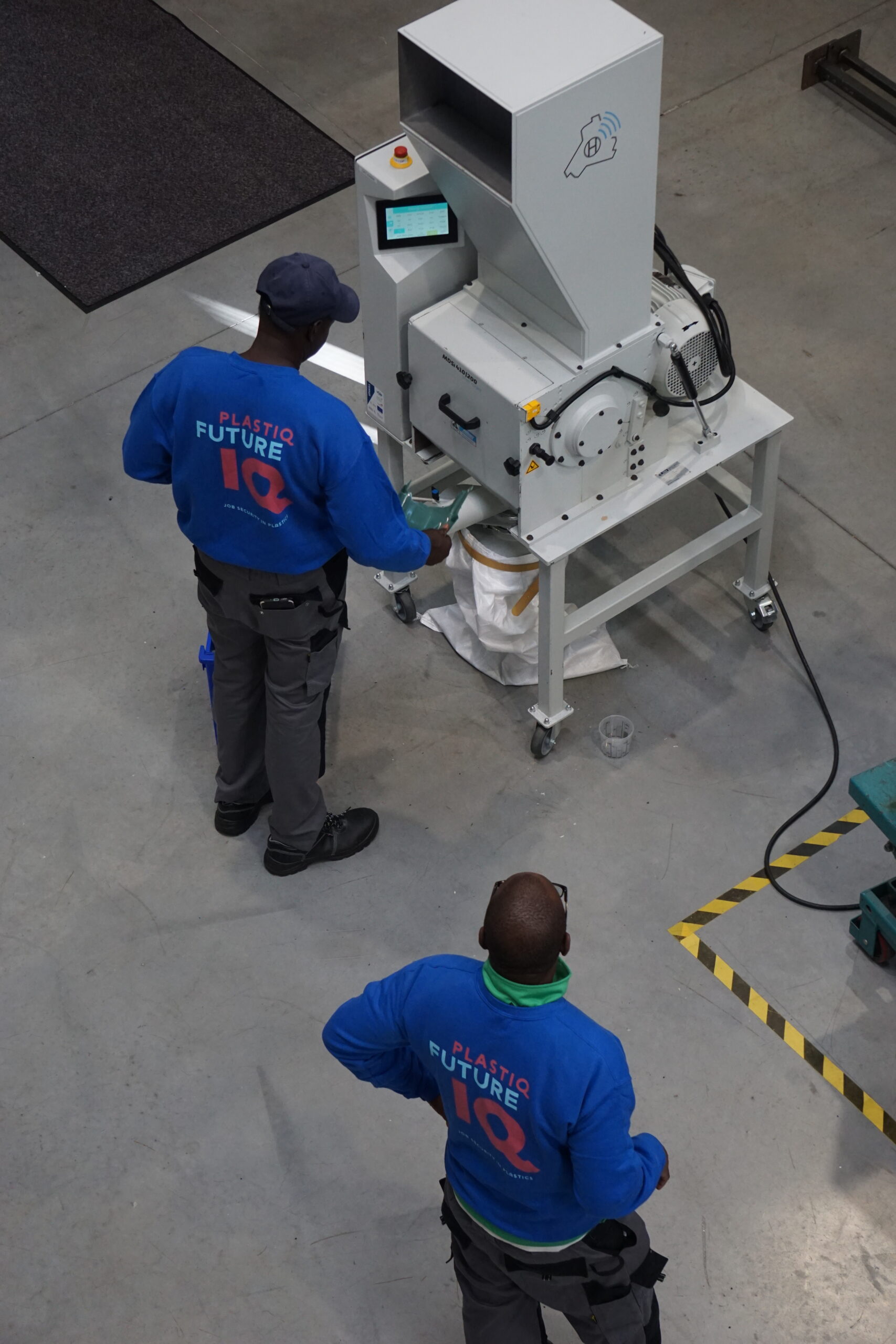
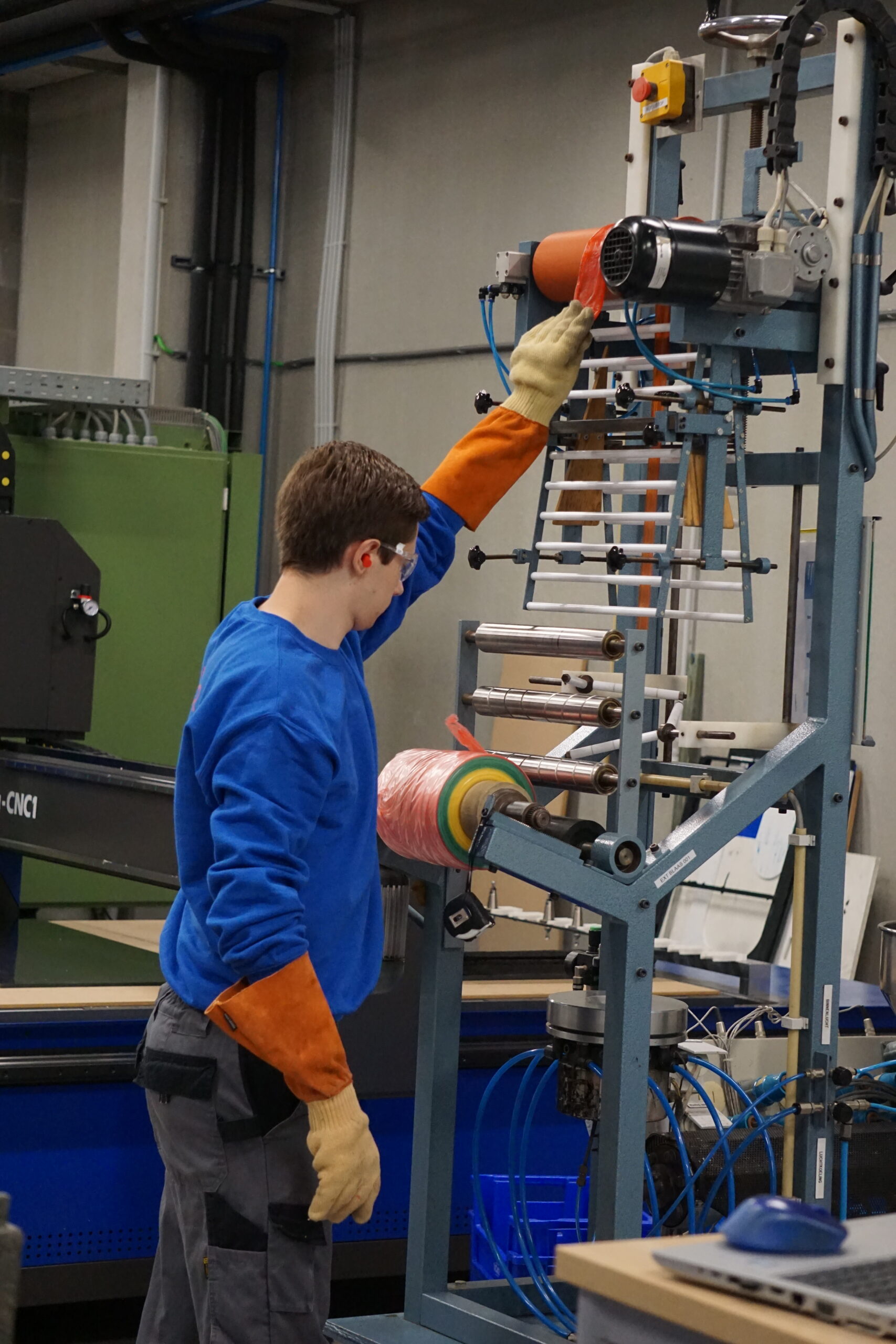
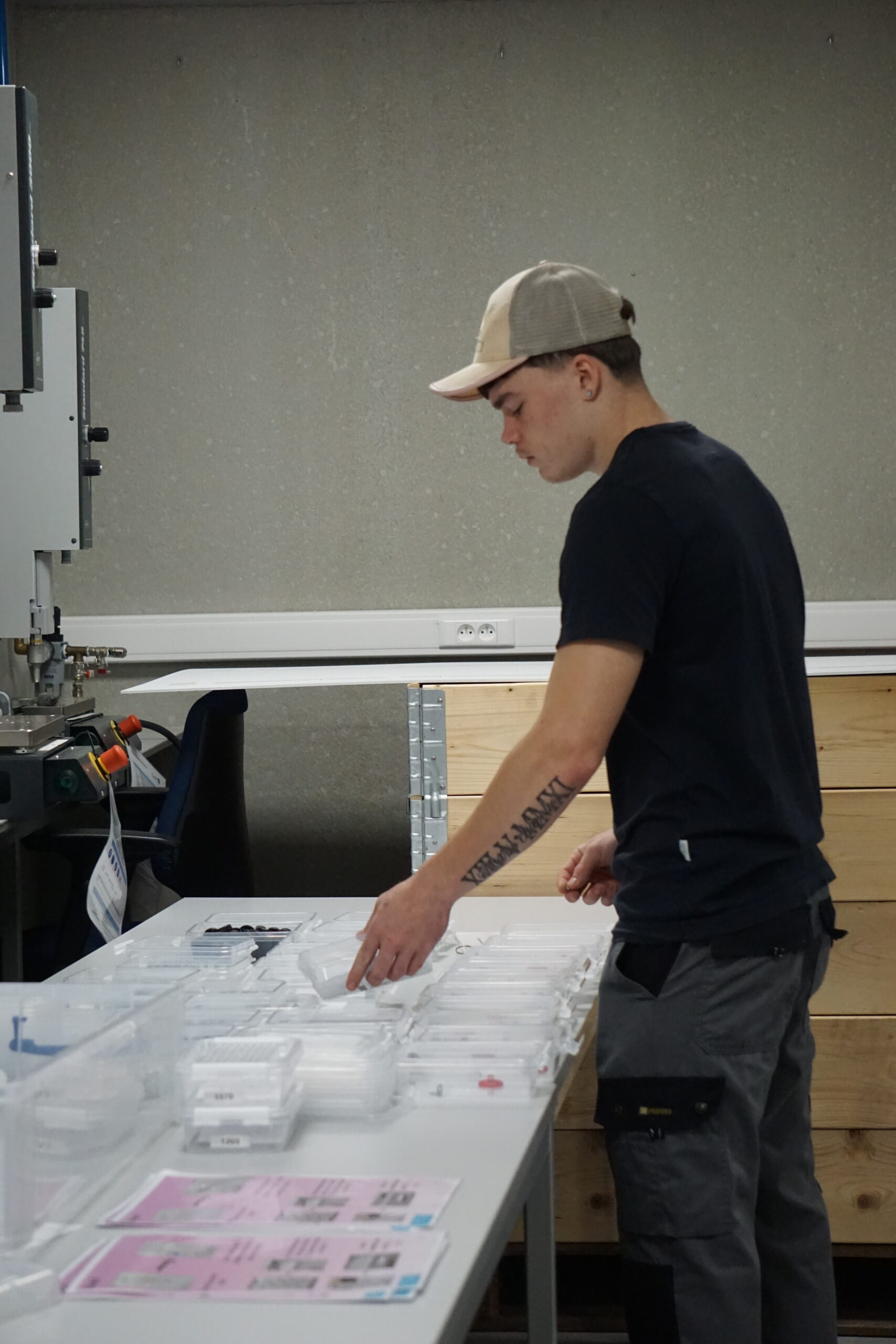
The trainees are following a course designed to prepare them for entry-level positions as production workers. The training focuses on the practical skills required in a factory environment, with particular attention to basic assembly tasks and packaging processes. After developing their initial skills, the trainees are now moving on to work with production machines. This next phase allows them to apply what they have learned in a more practical setting, become familiar with equipment, and gain experience with tasks they may encounter in the workplace. The programme also aims at recognising already existing skills and overcoming language barriers. Additionally, it includes four days of forklift and reach truck training, giving participants the opportunity to broaden their practical skills and get used to equipment used in logistics and production environments.
The ultimate goal is to help trainees move from learning into work. By developing practical production skills, gaining experience with machinery, and completing additional training, participants are taking concrete steps towards employment. Once the course is completed, the next step will be to connect the trainees with potential employers. The project will work to match participants' skills and interests with suitable job opportunities, helping employers find motivated candidates while giving trainees a chance to put their new skills into practice.
Creating pathways to progress
The training demonstrates how practical education, recognition of prior learning, and language-support technologies can work together to open doors to employment. It also highlights the importance of looking beyond language barriers and formal qualifications to recognise the potential that people bring with them. For the trainees, the course is more than an opportunity to learn new tasks. It is a chance to build confidence, gain valuable experience, and move closer to participating in the labour market.